Center for Biological Diversity v. U.S. Environmental Protection Agency, No. 25-10515
U.S. Court of Appeals for the Eleventh Circuit, 2026
Published opinion; the 1989 risk estimate is quoted from 54 Fed. Reg. 51654.
 Park Vibes
113K views
Views updated Oct 19, 2026, from YouTube
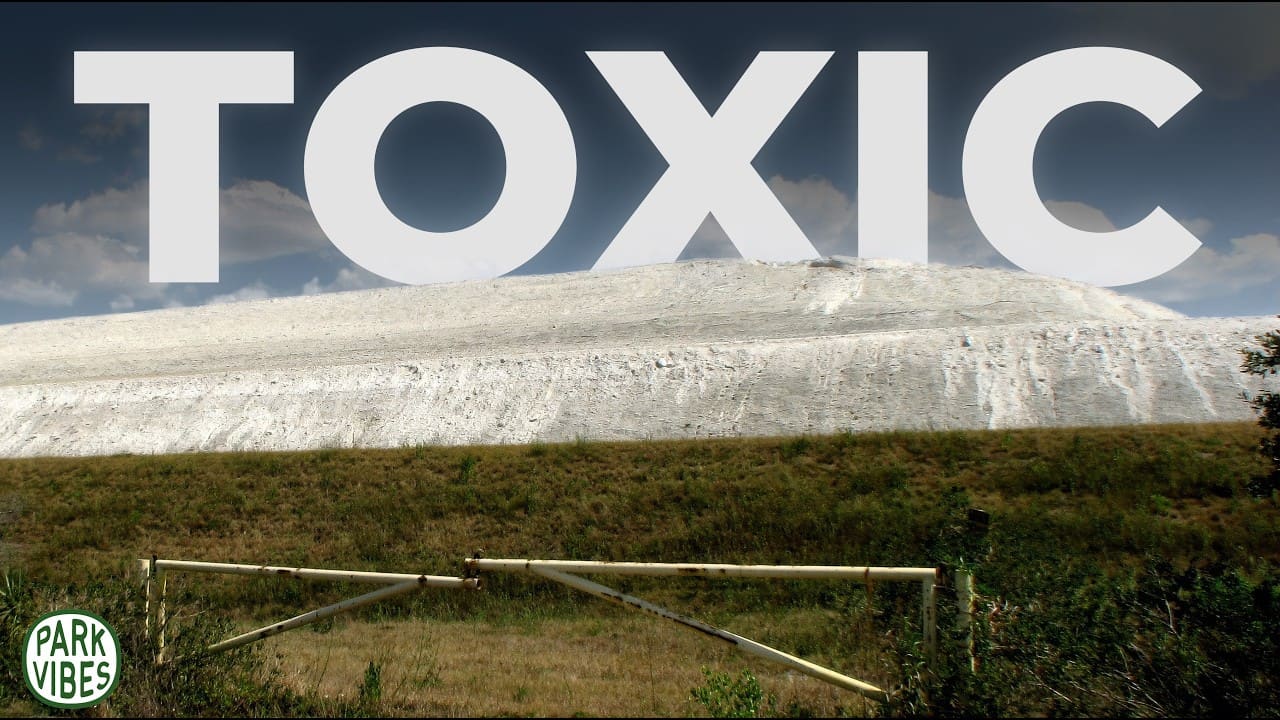
Rising out of one of the flattest states in America, there are flat-topped mountains more than 500 feet tall. They aren't natural. They're made of fertilizer waste, and that waste is mildly radioactive. Florida has more than twenty of them. But the radiation turns out to be the least dangerous part.
17 sources
17 claims
Every claim below links to the sources behind it. Peer-reviewed research and public records come first.
About five tons of phosphogypsum are produced per ton of phosphoric acid.
Florida has about a billion tons of phosphogypsum in stacks, with about 30 million tons added each year.
Radium-226 has a half-life of about 1,600 years.
EPA's 1989 rule estimated a maximum lifetime (70-year) cancer risk of about 9 in 100,000 from stack radon emissions.
On Sept. 5, 2004, during Hurricane Frances, a 100-ft section of dike broke at Cargill's Riverview stack after 24 hours of wind and waves; DEP had issued a Sept. 2 consent order finding the site did not meet minimum design criteria.
About 65 million gallons went into Archie Creek and Hillsborough Bay, killing thousands of fish and harming almost 80 acres of mangroves; Riverview is now Mosaic's.
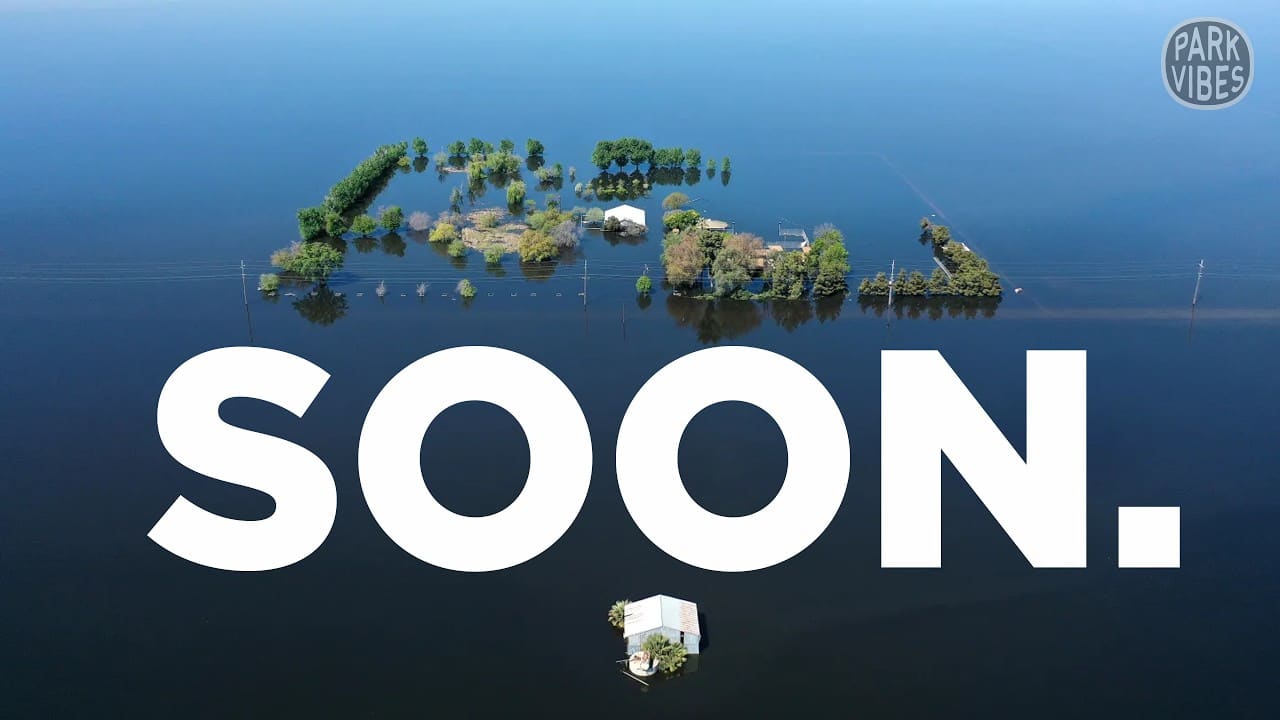
Hurricane Milton dropped nearly 15 inches of rain on Riverview; a water collection system was overwhelmed and water likely reached Tampa Bay; Mosaic said volume may have exceeded the 17,500-gallon reporting threshold; litigation alleges at least 39,600 gallons.
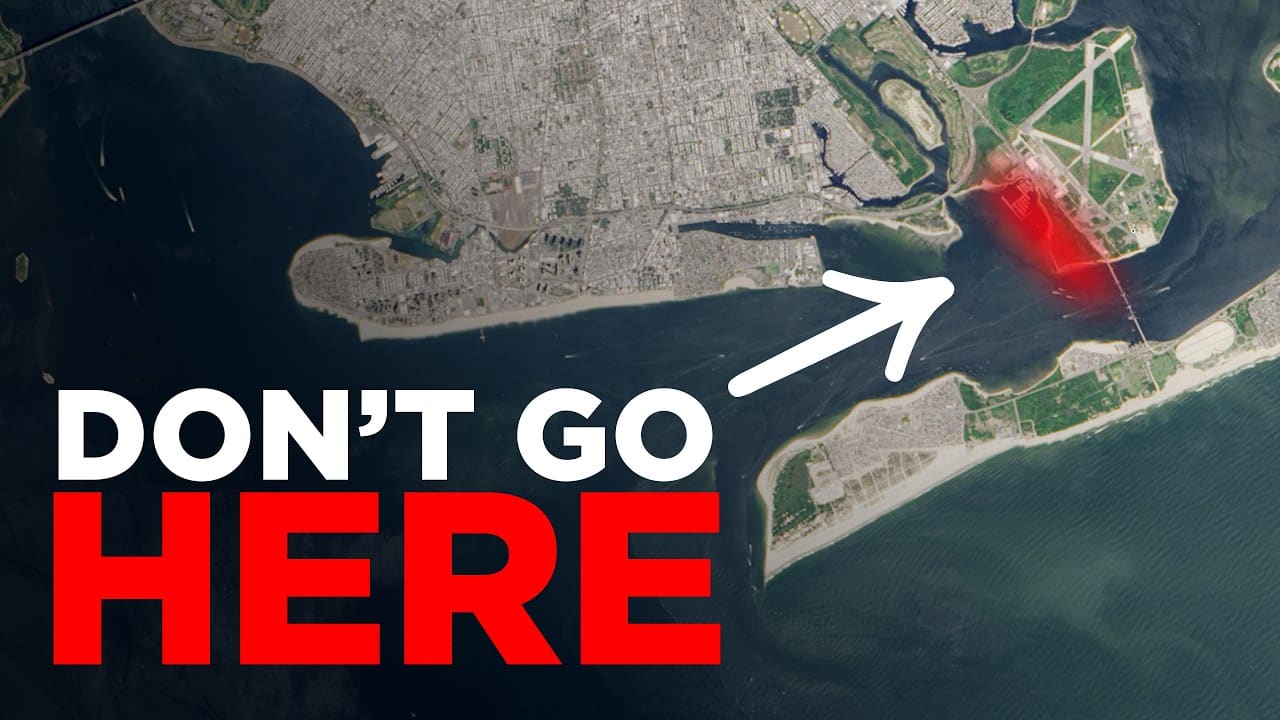
In August 2016 a sinkhole under a 78-acre pond on the New Wales stack drained about 215 million gallons some 220 feet into the aquifer; the public wasn't told for 19 days; plugging it took $84 million and 20,000 cubic yards of grout.
A red tide followed the release; HRK filed for bankruptcy.
EPA banned most phosphogypsum uses in 1989, making stacking necessary; a 1992 rule allowed agricultural use below a radium limit.
On Aug. 12, 2026, the 11th Circuit upheld EPA's approval of Mosaic's New Wales pilot road: four 500-ft test sections using about 1,200 tons of phosphogypsum.
Mosaic wants to expand Riverview's East Stack by nearly 180 acres, about 35 acres of wetlands and waters, extending the plant's life about 16 years.
Progress Village was founded for Black residents and is now home to at least 11,000 people; county commissioners approved the stack in 1984 despite opposition; lifelong resident Sean Bell Sr. calls it environmental racism.
Strait of Hormuz disruption to sulfur supply led Mosaic to cut production in 2026, including at Riverview.
Central Florida's Bone Valley contains extensive phosphate deposits.
In 2021, water from the Piney Point site, owned by HRK Holdings, was pumped into Tampa Bay at 22,000 gallons a minute, and about 316 households were in the evacuation zone.
Under the 1856 Guano Islands Act, the United States claimed Baker Island, Howland Island and Midway Atoll.
U.S. Court of Appeals for the Eleventh Circuit, 2026
Published opinion; the 1989 risk estimate is quoted from 54 Fed. Reg. 51654.
Florida House of Representatives, 2023
Legislative staff analysis.
NOAA Damage Assessment, Remediation, and Restoration Program
Florida Industrial and Phosphate Research Institute
Archived copy (Wayback Machine).
U.S. Environmental Protection Agency
U.S. Bureau of Land Management, 2025
Manatee County Government, 2021
Gives an estimated 316 households in the evacuation area.
National Park Service
Florida Phoenix, 2026
Published Aug 12, 2026.
Institute for Agriculture and Trade Policy, 2004
Dated Sep 16, 2004.
WRAL, 2018
Archived WRAL copy of a Florida news story.
Newborn, Steve. WUSF, 2024
Published Sep 20, 2024.
WUSF, 2026
Published Aug 3, 2026; credits Inside Climate News.
World Fertilizer, 2026
Published Jul 9, 2026; cites Argus Media.
Axios, 2021
Gives the 22,000 gallons-per-minute discharge rate and names property owner HRK Holdings.
New films and field notes. No spam.