Severe inbreeding, increased mutation load and gene loss-of-function in the critically endangered Devils Hole pupfish
Tian, D., Patton, A.H., Turner, B.J., Martin, C.H.. Proceedings of the Royal Society B, 2022
 Park Vibes
One of the rarest fish on Earth, living in a Death Valley crack the size of a hotel room, and a water fight that reached the Supreme Court.
Views updated Oct 19, 2026, from YouTube
14 sources
23 claims
Every claim below links to the sources behind it. Peer-reviewed research and public records come first.
Devils Hole is a detached unit of Death Valley National Park in Nevada.
Devils Hole pupfish have the smallest range of any vertebrate species.
The bottom of Devils Hole has never been mapped; its actual depth is unknown.
Large earthquakes as far away as Japan, Indonesia and Chile make the water in Devils Hole slosh.
The first Devils Hole pupfish specimens were collected on the federal Death Valley Expedition in 1891.
President Truman's 1952 proclamation added Devils Hole to Death Valley National Monument.
In 1967, the ranch company Spring Meadows, Inc. began buying land in Ash Meadows.
The Cappaerts' ranch covered about 12,000 acres and represented an investment of more than $7 million.
The Cappaerts began pumping groundwater in 1968. Devils Hole had been stable at 1.2 ft below its marker; by 1972 it was 3.93 ft below, exposing the spawning shelf.
UNLV biologist James Deacon helped found the Desert Fishes Council.
In Cappaert v. United States, decided June 7, 1976, a unanimous Supreme Court held that reserving Devils Hole also reserved enough water to preserve the pool and its fish.
Past counts peaked above 500 fish (1980, 1990, 1995) and fell to 35 in 2013.
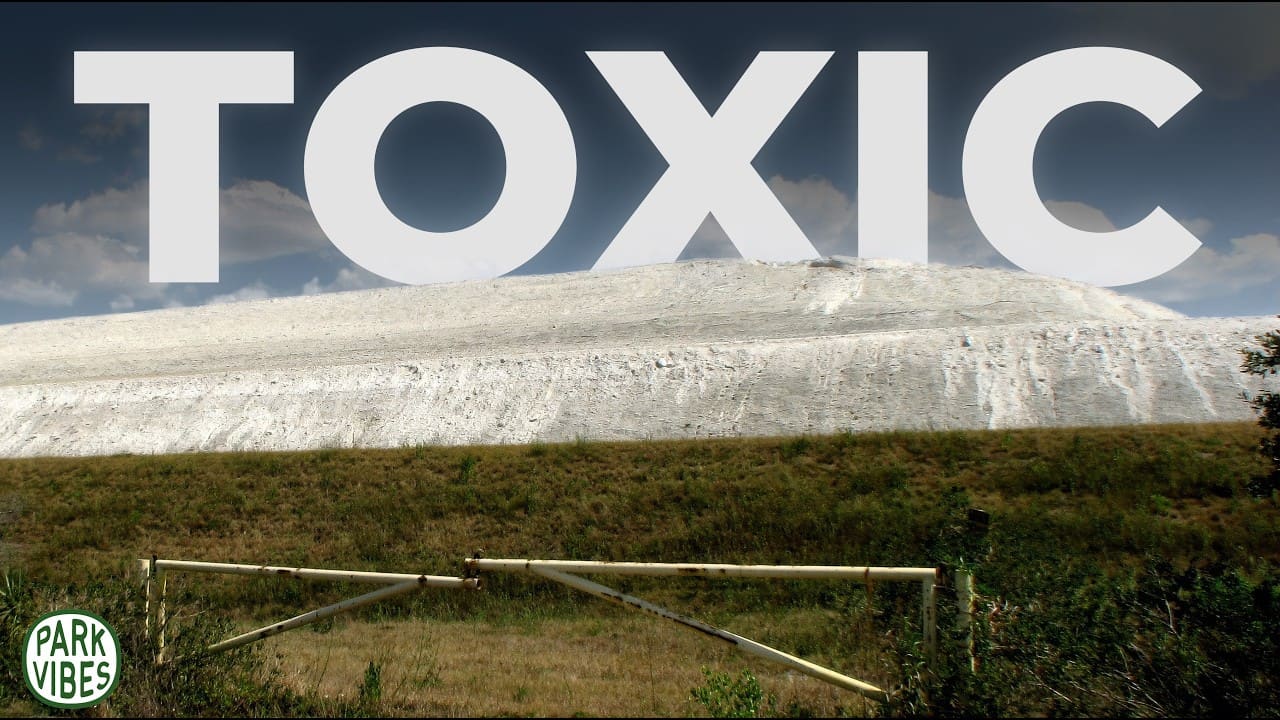
A 2022 genome study found extreme inbreeding in Devils Hole pupfish.
The Ash Meadows Fish Conservation Facility was completed in 2013. It cost $4.5 million and holds a ~100,000-gallon replica of Devils Hole.
The spring 2024 count of 191 fish was a 25-year high.
Earthquakes in December 2024 and February 2025 sent waves through Devils Hole that washed algae and eggs off the spawning shelf.
On December 5, 2024, a magnitude 7.0 earthquake struck offshore of Mendocino in Northern California.
The spring 2025 count was 38 fish, down from 191 a year earlier (about 80%).
For the first time, biologists added captive-raised fish (19 of them) to the wild population.
Biologists count the fish twice a year, spring and fall, by scuba and from the surface.
The Ash Meadows Amargosa pupfish lives in 10 spring areas, and the Warm Springs pupfish in six springs.
A Pahrump newspaper editor threatened to throw the pesticide rotenone into Devils Hole to make the pupfish 'a moot point'.
The Cappaert family sold their ranch in the late 1970s.
Tian, D., Patton, A.H., Turner, B.J., Martin, C.H.. Proceedings of the Royal Society B, 2022
Martin, C.H., Crawford, J.E., Turner, B.J., Simons, L.H.. Proceedings of the Royal Society B, 2016
Beissinger, Steven R.. PeerJ, 2014
Supreme Court of the United States (Burger, C.J., for a unanimous Court). U.S. Government Publishing Office (U.S. Reports), 1976
National Park Service, Death Valley National Park, 2025
News release dated April 15, 2025.
National Park Service, Death Valley National Park
U.S. Fish & Wildlife Service
U.S. Department of the Interior (DOINews)
U.S. Geological Survey, 2024
U.S. Fish & Wildlife Service, 1990
UC Berkeley News, 2022
UNLV News Center
Blankenbuehler, Paige. High Country News, 2019
New films and field notes. No spam.