Self-medication as adaptive plasticity: increased ingestion of plant toxins by parasitized caterpillars
Singer MS, Mace KC, Bernays EA. PLoS One, 2009
 Pack Vibes
13.1K views
Views updated Oct 19, 2026, from YouTube
11 sources
13 claims
Every claim below links to the sources behind it. Peer-reviewed research and public records come first.
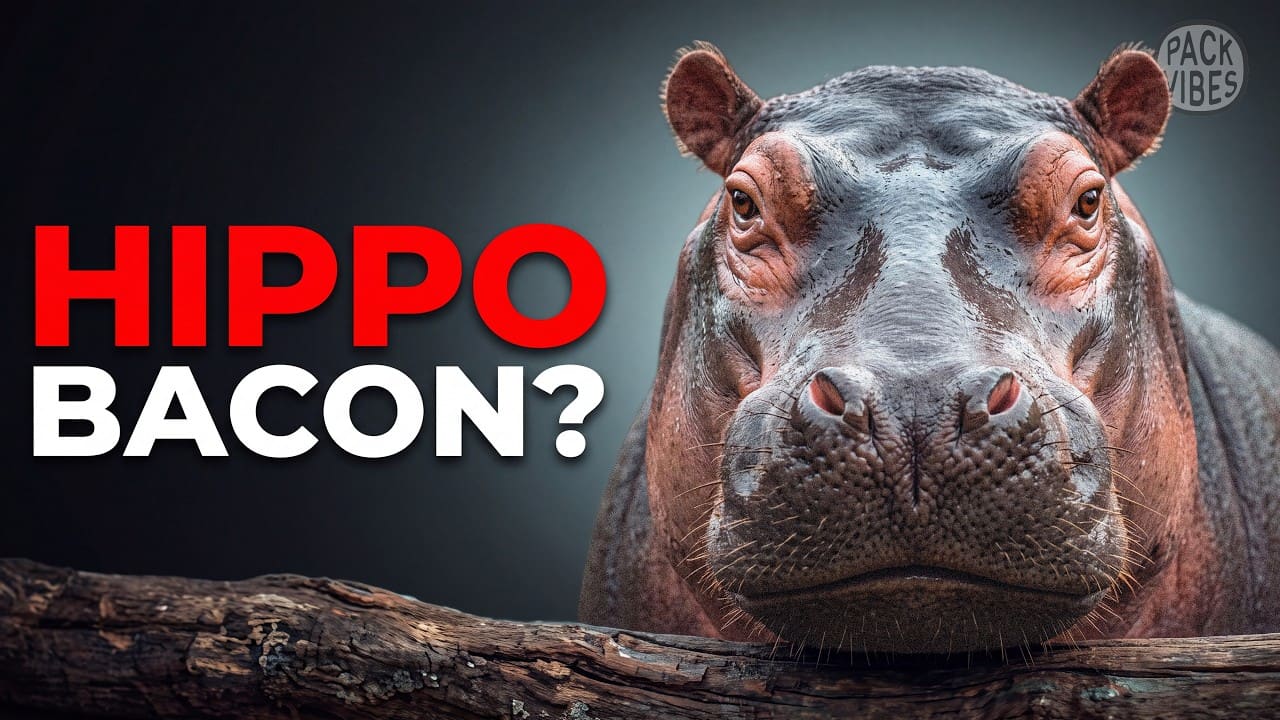
Zoopharmacognosy, the scientific term for animal self-medication, comes from Greek words for animal, drug and knowing.
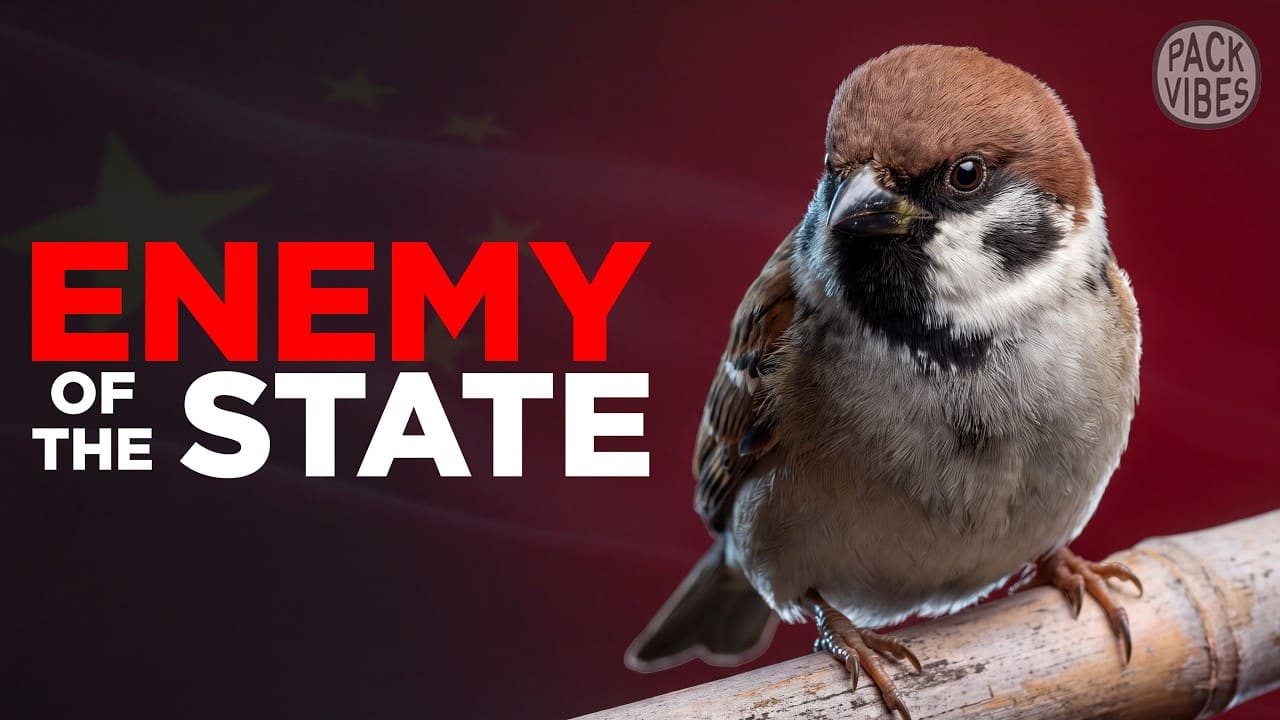
Parasitized woolly bear caterpillars eat more pyrrolizidine alkaloids, which improves their survival, while too much harms unparasitized caterpillars.
Monarch butterflies lay their eggs on toxic milkweeds that reduce parasite growth in their offspring, which researchers called trans-generational medication.
Under elevated CO2 the most medicinal milkweed species lost its medicinal properties, weakening monarchs' tolerance to the parasite.
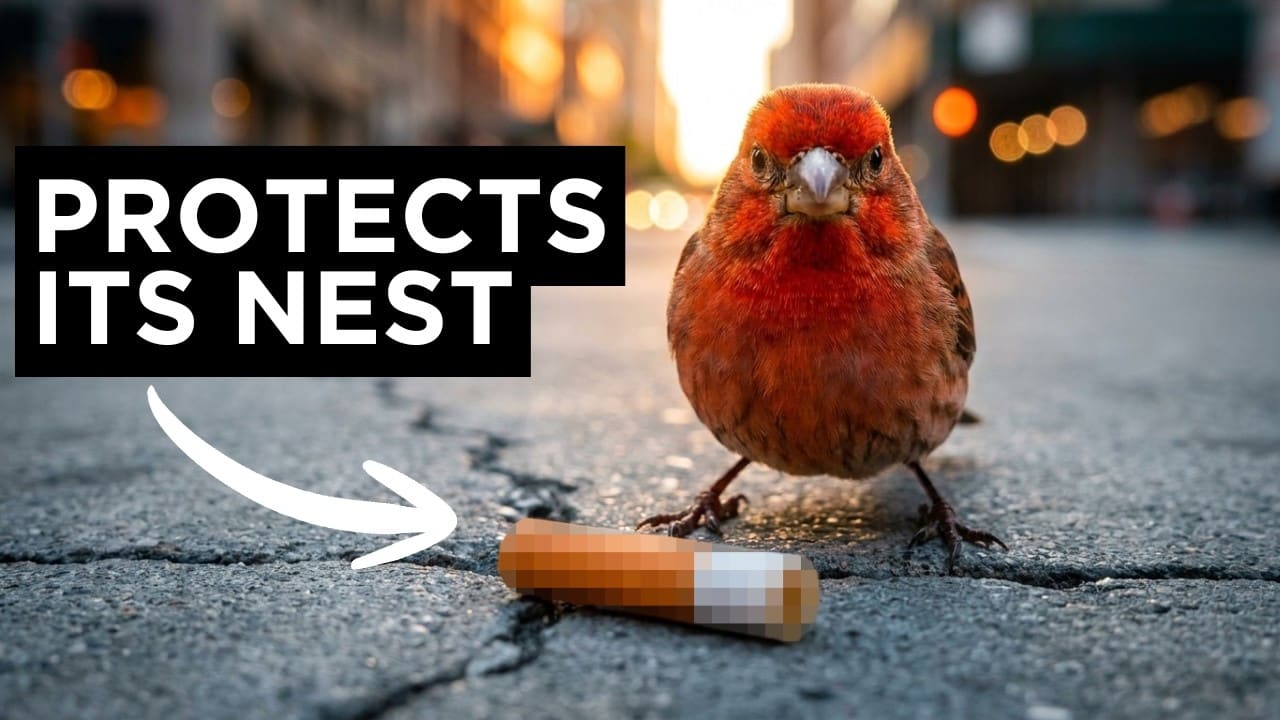
Urban birds in Mexico City line their nests with smoked cigarette butts, and nests with more butt material have fewer parasites. Fewer parasites reached heat traps containing smoked butts.
Red Sea Indo-Pacific bottlenose dolphins queue up to rub against particular corals and a sponge, which contain 17 active metabolites (iScience, 2022).
Mahale chimpanzees in Tanzania chew the pith of Vernonia amygdalina, a bitter plant with antiparasitic compounds.
Chimpanzees in Gabon were recorded applying insects to their own wounds and to the wounds of others.
The Sumatran orangutan Rakus chewed Fibraurea tinctoria leaves three days after a facial wound, applied the juice and covered the wound with the chewed leaves.
Fibraurea tinctoria is used in traditional medicine and contains compounds with antibacterial and anti-inflammatory activity.
Isabelle Laumer led the orangutan study.
In house finch nests, a higher proportion of cigarette-butt material was linked to more signs of genotoxic damage in the birds' blood cells.
According to the ancient naturalist Aelian, the Egyptians traced much of their medical knowledge to the wisdom of animals.
Singer MS, Mace KC, Bernays EA. PLoS One, 2009
Lefèvre T, Oliver L, Hunter MD, De Roode JC. Ecology Letters, 2010
Decker LE, de Roode JC, Hunter MD. Ecology Letters, 2018
Suárez-Rodríguez M, López-Rull I, Garcia CM. Biology Letters, 2013
Morlock GE, Ziltener A, Geyer S, et al.. iScience, 2022
Koshimizu K, Ohigashi H, Huffman MA. Physiology & Behavior, 1994
Mascaro A, Southern LM, Deschner T, Pika S. Current Biology, 2022
The same query also returns Kolff et al. 2025 (Sci Rep).
Laumer IB, Rahman A, Rahmaeti T, et al.. Scientific Reports, 2024
Kapadia, Minesh; Zhao, Hui; Ma, Donglai; et al.. PLoS ONE, 2014
Suárez-Rodríguez, M; Macías Garcia, C. Journal of Evolutionary Biology, 2014
Mayor, Adrienne. The Conversation, 2024
New films and field notes. No spam.