-
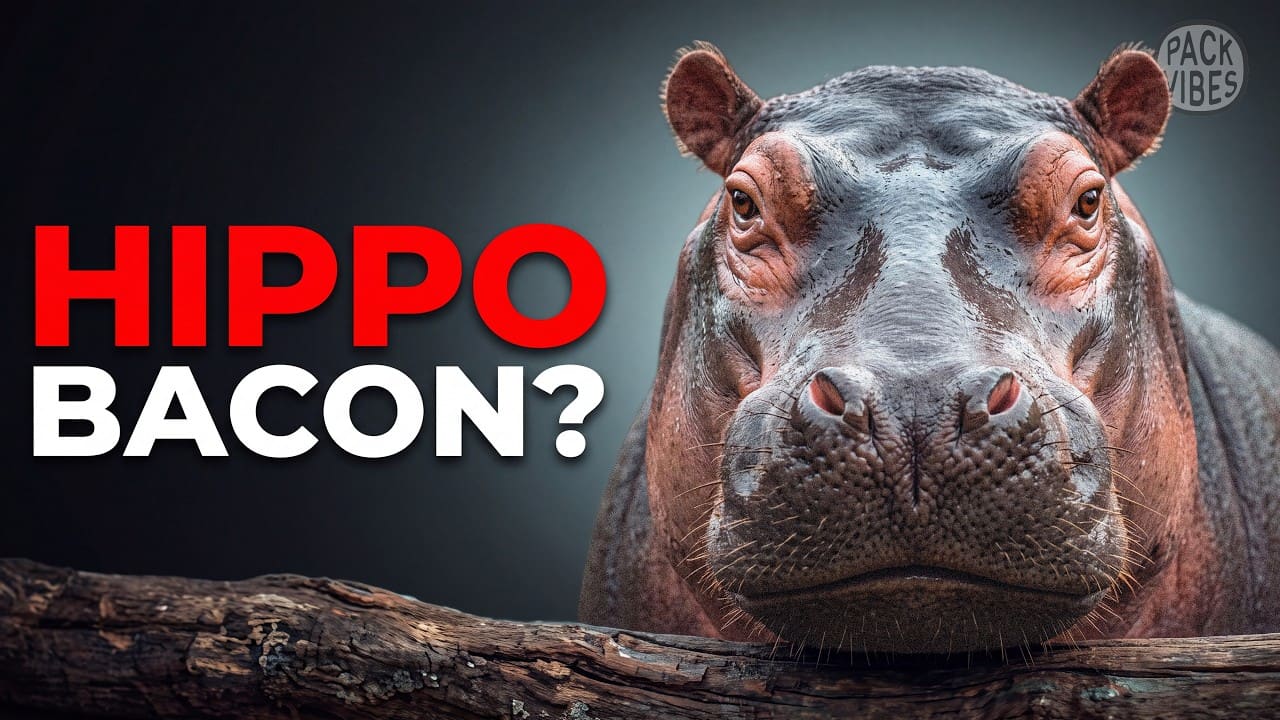
In 1910, Robert Broussard proposed importing African animals to supply meat in the United States. 1:23
-
The House Agriculture Committee discussed H.R. 23261 on March 24, 1910, with $250,000 proposed for animal imports. 2:11
-
Supporters hoped hippos would eat invasive water hyacinth while providing meat. 0:17
-
Water hyacinth reached New Orleans in 1884 and spread through local waterways. 0:51
-
W. N. Irwin described hippo meat to the committee as tasting like a mixture of pork and beef. 2:43
-
Period newspapers promoted hippo meat using the name lake cow bacon. 0:33
-
Theodore Roosevelt reportedly endorsed the animal-importation plan. 4:23
-
Duquesne's scouting report described the Louisiana swamps as dismal and forbidding. 4:38
-
Hornaday's 1913 book condemned replacing depleted native wildlife with imported African animals. 5:46
-
Common hippos mostly graze on land at night rather than feeding on aquatic plants. 8:22
-
Common hippos chew mainly up and down, with interlocking incisors restricting sideways jaw movement. 8:42
-
The 2023 chewing study used videos of two living common hippos alongside a larger museum-skull sample. 9:07
-
Researchers describe long gut retention as compensation for hippos' limited food-particle reduction. 8:51
-
Many cattle heifers reach puberty around 12 to 13 months, with breed, weight and nutrition affecting timing. 9:27
-
Captive female hippos can conceive from about two years old, although most begin from about four. 9:34
-
Hippo gestation lasts about eight months, while the mean interval between births is about two years. 9:45
-
Male hippos defend territories in water, where hippos gather socially. 10:23
-
GFAS sanctuary standards require protected contact rather than people entering occupied hippo enclosures. 10:58
-
Positive reinforcement can help hippos cooperate with veterinary procedures. 11:08
-
The common hippopotamus is classified as Vulnerable. 11:52
-
The 2017 assessment estimated roughly 115,000 to 130,000 wild hippos across Africa. 11:55
-
A stable range-wide population trend can coexist with regional hippo declines. 12:03
-
Habitat loss and illegal or unregulated hunting for meat and ivory are major threats to hippos. 12:08
-
International trade in common hippos is regulated through CITES Appendix II. 12:26
-
In March 2023, the U.S. Fish and Wildlife Service found that ESA listing of the common hippo may be warranted. 13:05
-
The petitioners say their court-approved agreement sets July 27, 2028 as the deadline for a U.S. listing decision. 13:12
-
Hippo products sold in the United States include leather goods, ivory carvings, teeth and hunting trophies. 12:17
-
Rebecca Lewison emphasizes competition with agriculture for hippo habitat and freshwater. 13:33
-
Broussard introduced H.R. 23261 on March 21, 1910, and it was referred to the Agriculture Committee. 1:55
-
The bill's title did not mention hippos. 2:01
-
Irwin presented his animal-importation paper at the American Breeders' Association meeting in January 1909. 1:35
-
Broussard yielded the hearing to Irwin, Burnham and Duquesne rather than making a substantive opening statement. 2:16
-
Irwin told the committee that handlers described hippos as easily tamed and attached to people. 2:26
-
Irwin proposed enclosing five or six waterfront acres and bringing water hyacinth inside as feed. 2:33
-
Irwin predicted that suitable animals could add a million tons of meat annually to America's supply. 2:50
-
Irwin warned that loose hippos could travel 15 miles overnight and damage crops. 2:56
-
Burnham argued that America was leaving useful animal resources idle. 3:17
-
Duquesne introduced himself to the committee by comparing himself with an African animal. 3:28
-
Duquesne asserted that hippos could be bottle-fed, led and handled without danger. 3:50
-
Mooallem's archival reporting describes Burnham and Duquesne as wartime enemies who had sought each other's death. 3:38
-
Duquesne was later convicted of espionage for Germany. 4:13
-
Broussard, Burnham and Duquesne organized their campaign around a proposed New Food Supply Society. 4:29
-
Burnham canceled a planned 1911 African scouting expedition when the Mexican revolution threatened his business interests.
-
The hippo-importation scheme gradually faded while officials promoted cattle on reclaimed marshland. 4:49
-
Broussard postponed reintroducing his bill and died in 1918. 5:27
-
A 1914 Journal of Heredity article revived Irwin's proposal using the smaller pygmy hippopotamus. 5:52
-
Ugandan wildlife managers conducted experimental hippo culling in 1958, using carcasses for food and studying vegetation effects. 6:17
-
An 1890 account documents a captive hippo birth in New York at the beginning of December 1889. 6:32
-
South Africa has hippo populations on managed game farms. 6:26
-
Domestication involves inherited adaptation under human control rather than simply taming or keeping an individual animal. 6:58
-
The Instituto Humboldt dates Colombia's first hippo record at Hacienda Nápoles to 1981. 7:33
-
Reporter Joshua Hammer describes Escobar's hippos as four animals reportedly acquired from a U.S. zoo, refuge or breeder. 7:33
-
Colombia's environment ministry reported an estimate of about 200 hippos in September 2026. 7:43
-
Colombia's hippos form an introduced invasive population rather than a controlled domestic livestock lineage. 7:49
-
Cattle pregnancy lasts roughly nine months, with 283 days common for many breeds. 9:45
-
Cattle handlers use flight zones and herd-following behavior to move animals through working facilities. 10:09
-
Hippo sanctuary facilities include secure enclosures and space to separate animals for care or social reasons. 10:42
-
GFAS standards call for insulated indoor space that accommodates swimming and other natural behavior in cold climates. 10:48
-
The petitioners' CITES analysis ranked the United States first with 34% of counted wild-source hippo-specimen imports in 2009–2018. 12:35
-
The September 2024 complaint ranked the United States first with 45% of unweighted hippo-specimen imports in 2019–2021. 12:48
-
The common hippopotamus was absent from the U.S. ESA wildlife list current through October 15, 2026. 13:11
-
An endangered listing could prohibit hippo imports and interstate sales, subject to permits and exceptions. 13:20
-
Hong Kong Customs reported seizing suspected hippo ivory during a 2023 anti-smuggling operation.